Tai Chi for Weight Loss: What the Evidence Actually Says
Tai chi is praised for calm and balance—but can it help you lose weight? This article separates realistic expectations from hype, including what tai chi walking burns and how to combine practice with other habits.
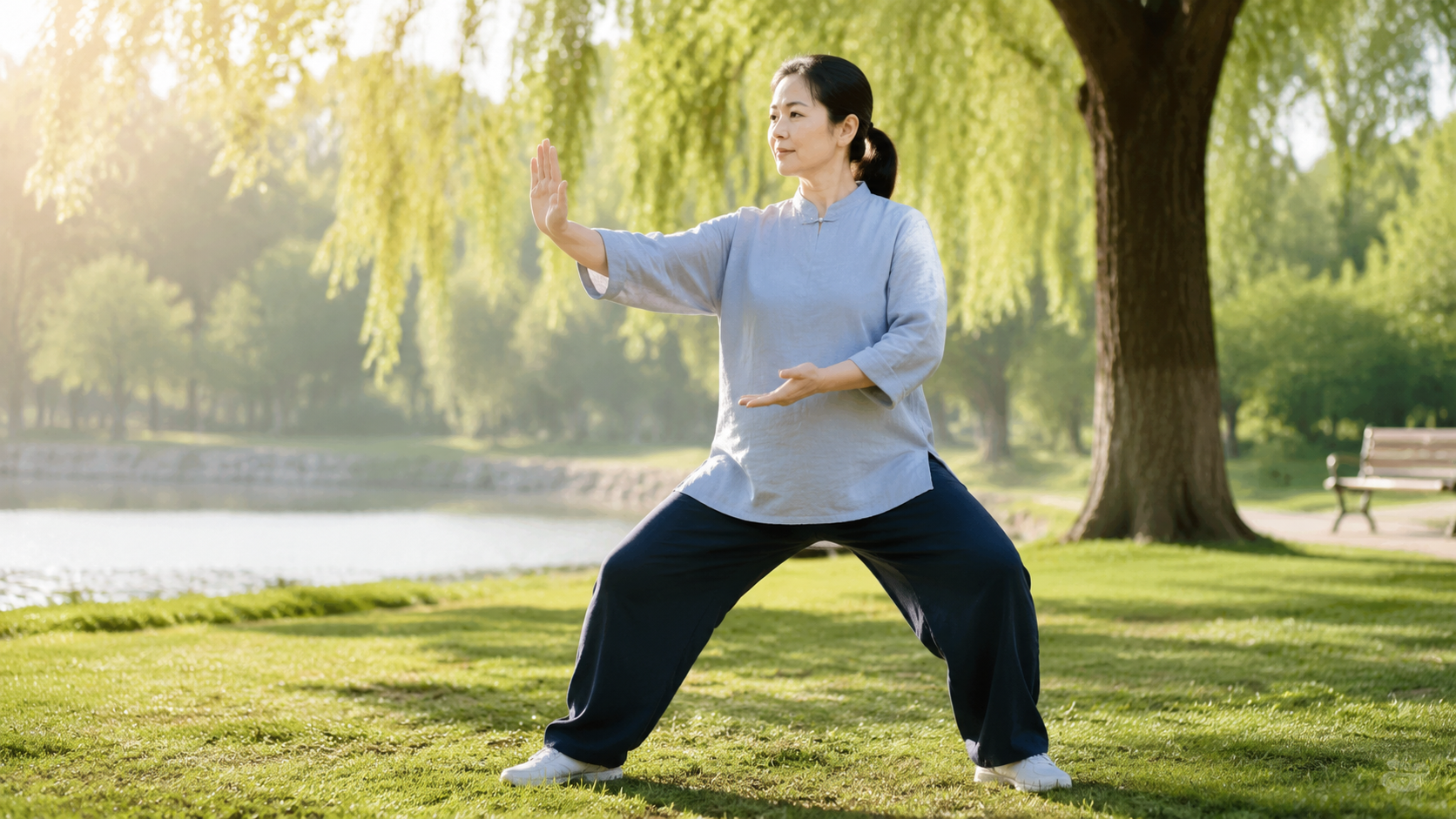
Can Tai Chi Help You Lose Weight?
Tai chi can support weight management, but it is not a high-intensity fat-burning workout on its own. Most forms are slow, low-impact, and emphasize balance and breath over sweat and speed.
Research on tai chi and body weight is mixed. Some studies in middle-aged and older adults show modest reductions in body mass index or waist circumference after months of regular practice—often alongside dietary advice or other lifestyle changes. Other trials find little change in weight when tai chi is the only intervention.
The honest takeaway: tai chi may help indirectly—by reducing stress eating, improving sleep quality, and keeping you moving on days when harder exercise feels impossible. Do not expect rapid weight loss from tai chi alone. Pair it with nutrition changes and, if your clinician agrees, moderate aerobic activity for meaningful calorie deficits.
Does Tai Chi Walking Help with Weight Loss?
Tai chi walking burns fewer calories per minute than brisk walking, jogging, or cycling because the pace is deliberately slow. The goal is control and balance, not cardiovascular overload.
That does not make it useless for weight goals. A consistent 15–20 minute indoor or hallway session still counts as non-sedentary time. For beginners who dislike gyms, it can be the habit that gets them off the couch—making later, higher-calorie workouts more likely.
If your primary goal is fat loss, treat tai chi walking as a gentle foundation, not the main engine. Use our complete guide to learn the method, then add brisk walks or a structured workout on alternate days.
How Many Calories Does Tai Chi Burn?
Calorie estimates vary by body weight, intensity, and style. General references often cite roughly 200–300 calories per hour for traditional tai chi—less than brisk walking (about 300–400 per hour for many adults) and far less than running.
Short tai chi walking drills in a hallway may burn even less per session because total time and heart-rate elevation stay low. A 15-minute practice might contribute on the order of 50–80 calories for an average adult—roughly equivalent to a small apple, not a meal.
Use calorie numbers for context, not motivation. Sustainable weight change depends more on total weekly activity and what you eat than on any single gentle session.
Tai Chi vs. Walking for Weight Loss
For pure calorie burn, regular brisk walking usually wins. You cover more distance, raise heart rate higher, and finish faster.
Tai chi—including tai chi walking—wins on accessibility and adherence for some people. It is easier on joints, works in small indoor spaces, and feels less intimidating than a gym. A practice you repeat five days a week beats a harder workout you quit after two weeks.
A practical split: use brisk walking (or another moderate cardio you enjoy) for calorie expenditure, and use tai chi walking for balance, recovery, and stress regulation. Many people find that combination easier to maintain than either approach alone.
How to Start Tai Chi for Weight Loss
Step 1: Get clearance from your healthcare provider if you have heart disease, uncontrolled blood pressure, or joint conditions that limit activity.
Step 2: Start with 10–15 minutes of tai chi walking or a short home workout four days per week. Focus on showing up, not on intensity.
Step 3: Add one or two brisk 20–30 minute walks on separate days if your clinician approves. Track consistency for four weeks before judging results.
Step 4: Address nutrition separately—tai chi will not outrun a large daily calorie surplus. Simple portion awareness often matters more than adding another exercise modality.
Step 5: Reassess after a month. If weight is a clinical priority, ask your doctor or a registered dietitian for a plan tailored to your labs and medications.
Related Practice Guides
Ready to move? These tutorials pair well with a weight-management routine.
- What is tai chi walking— slow stepping drills for beginners (indoor-friendly).
- Tai chi workout— a 20-minute home routine with warm-up and cool-down.
- Tai chi for beginners— where to start if you are new to the practice.
What Research Suggests (Read Carefully)
A meta-analysis of randomized trials found tai chi associated with modest improvements in BMI and waist circumference in some populations, though effects varied by study quality and program length.
Source: Multiple systematic reviews (effects modest and context-dependent)CDC guidance recommends at least 150 minutes of moderate-intensity aerobic activity per week for general health—slow tai chi alone may not reach that threshold unless combined with brisker movement.
Source: CDC — Physical Activity Basics
FAQ
Frequently Asked Questions
Is tai chi good for weight loss?+
It can be part of a weight-loss plan as low-impact daily movement and stress relief, but it is rarely sufficient on its own. Combine with dietary changes and moderate cardio if your goal is significant fat loss.
Does tai chi help you lose belly fat?+
No exercise spot-reduces belly fat. Some tai chi studies report small waist-circumference changes over months, usually alongside broader lifestyle support—not from short viral walking clips alone.
How often should I practice tai chi for weight loss?+
Aim for 4–6 sessions per week of 15–30 minutes, and add brisk walking or another moderate cardio if your clinician agrees. Consistency over four to eight weeks matters more than occasional long sessions.
This article is for informational purposes only and is not a substitute for professional medical or nutrition advice. Consult your healthcare provider before starting any weight-loss or exercise program.